 Techeroid
Smartphone Cameras: Myths and Facts
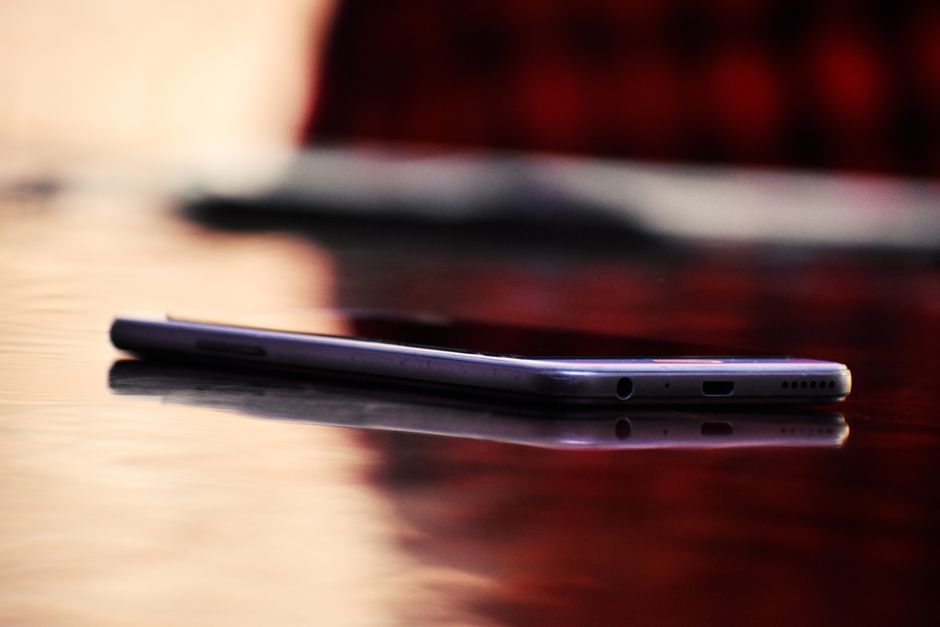
A lot of advice about smartphone cameras was true once and no longer is. None of it requires special tools or technical training. Let's look at what actually matters with smartphone cameras, and what you can safely skip.
A common myth
Megapixel counts are less important than they seem. Very high megapixel sensors often combine groups of pixels into one to gather more light, producing a smaller final image by default. Sensor size, lens quality, and processing have a larger effect on everyday results. For most most of us, good light and a steady hand matter more than any specification sheet.
The practical takeaway is to keep your setup for smartphone cameras simple enough that you understand every part of it.
What is actually true
Worth keeping in mind: a few habits improve photos immediately. Wiping the lens clean removes the haze caused by fingerprints. Tapping the subject on screen sets focus and exposure, and sliding the brightness control prevents blown-out skies. Night modes work best when the phone is held very still or rested on something solid, since they combine exposures over a second or more.
It helps to write down what you change, so you can undo it if something stops working.
Why the myth sticks around
Worth keeping in mind: video recording settings deserve attention because they affect storage. Higher resolutions and frame rates create much larger files, so recording everything at the maximum setting fills a phone quickly. Choosing a moderate default and switching to higher quality for special moments is a practical balance. Stabilization features support handheld footage, though they may crop the frame slightly.
A quick backup before making changes turns a risky step into a safe one.
A more balanced view
Smartphone cameras rely on modest sensors combined with heavy software processing. Because the sensors are tiny compared to dedicated cameras, phones capture several frames in rapid succession and merge them, balancing bright and dark areas and reducing noise. This computational approach is why phone photos often look polished straight out of the camera, even in hard lighting.
What genuinely helps
On a day-to-day level, many phones include multiple lenses, typically a main camera, an ultra-wide, and sometimes a telephoto. The main camera typically has the best sensor and produces the highest quality, especially in low light. Digital zoom simply crops the image and loses detail, while an optical telephoto lens magnifies without that loss. Knowing which lens is active aids explain sudden changes in quality.
Practical tips
Some practical points to keep in mind:
- Restart devices now and then to clear temporary glitches.
- Change one setting at a time so you know what made the difference.
- Back up anything important before changing settings.
- Install system updates when they arrive rather than putting them off.
The bottom line
Take it one step at a time. Keep it simple, make one change at a time, and back up before you experiment. That covers most situations.
Frequently asked questions
Do I need to be technical to follow this?
No. Everything here is written for everyday users, and the steps for smartphone cameras use the normal settings menus.
Is it the same on every device?
The ideas carry over, but menu names differ between platforms and models. Look for the closest match in your own settings.
What is the most common mistake?
Changing several things at once. Adjust one setting, see what happens, then move on.
How often should I revisit this?
A quick check every few months is enough for most people, plus a look after any major update.