 Techeroid
Computer Memory: Common Mistakes to Avoid
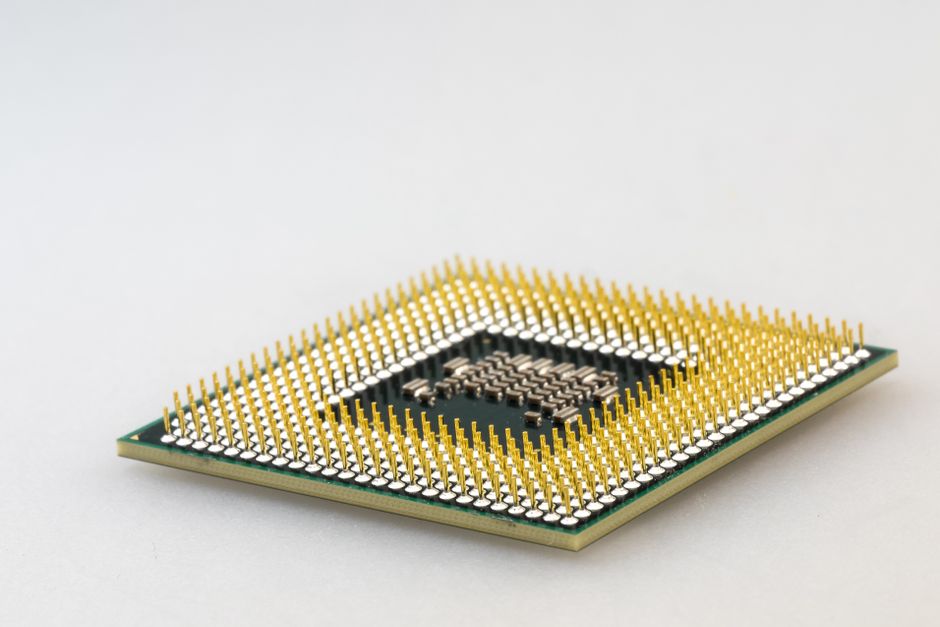
When computer memory does not work as expected, it is often down to one familiar slip. None of it requires special tools or technical training. Below, we break computer memory into clear, manageable pieces.
Skipping the basics
When upgrading, modules must match the type and speed supported by the motherboard, and installing them in matching pairs usually enables faster dual-channel operation. The computer's manual or the manufacturer's support page lists compatible specifications. Handling modules by their edges and touching a metal surface first to discharge static protects them during installation, which usually takes only a few minutes.
A quick backup before making changes turns a risky step into a safe one.
Changing too much at once
Worth keeping in mind: computer memory, often called RAM, is the fast short-term workspace a computer uses for programs and data currently in use. Storage holds files permanently, while memory holds what is being worked on right now. When memory runs short, the computer moves data back and forth to the much slower storage drive, which causes the stuttering and delays many people notice when too much is open.
The practical takeaway is to keep your setup for computer memory simple enough that you understand every part of it.
Ignoring updates
The key point is that how much memory is enough depends on the workload. Web browsing with many tabs, video calls, and office documents running together use more memory than most most of us expect, since modern websites behave like full applications. Photo editing, video work, and large spreadsheets need even more. Choosing a little more than current needs gives breathing room as software grows heavier over the years.
The goal is a setup you can rely on, not one that needs constant tinkering.
Trusting the defaults blindly
Checking memory use is straightforward. Every major operating system includes a task manager or activity monitor that shows how much memory is in use and which programs are consuming it. If memory is regularly near full while the computer feels slow, adding more is likely to support. If plenty remains free, the slowdown probably has another cause, such as an aging drive.
A quick backup before making changes turns a risky step into a safe one.
How to recover
More often than not, upgradability varies widely. Many desktops have accessible slots that accept additional memory modules, but many thin laptops have memory soldered directly onto the board, making it impossible to add later. When buying such a laptop, the amount chosen at purchase is the amount it will have for life, which is an important consideration for long-term use.
Small adjustments like these are easy to overlook, yet they are what keep devices running smoothly.
Practical tips
In everyday terms, this can look like:
- Install system updates when they arrive rather than putting them off.
- Write down your router and account details somewhere safe.
- Restart devices now and then to clear temporary glitches.
- Back up anything important before changing settings.
The bottom line
The best setup is the one you can maintain without thinking about it. None of this needs to be perfect. A clear, simple setup that you understand will serve you better than an elaborate one.
Frequently asked questions
Do I need to be technical to follow this?
No. Everything here is written for everyday users, and the steps for computer memory use the normal settings menus.
Will any of this cost money?
Mostly not. Where a paid option exists, the free built-in features usually cover the basics for home use.
Is it the same on every device?
The ideas carry over, but menu names differ between platforms and models. Look for the closest match in your own settings.
What is the most common mistake?
Changing several things at once. Adjust one setting, see what happens, then move on.